InfoComm 2026 – China
[SAVE THE DATE] Meet us at InfoComm 2026 – Beijing, China!



[Datum vormerken] Entdecken Sie unsere Innovationen in der Zusammenarbeit XR

Communiqué de presse – Laval Virtual 2023 : TechViz présente ses dernières innovations

Press Release – Laval Virtual 2023: TechViz showcases its latest innovations

[SAVE THE DATE] Rencontrez TechViz à Laval Virtual 2023!
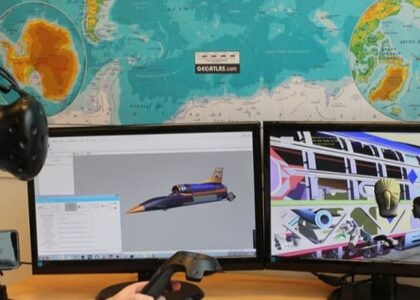
Some companies spend countless hours building prototypes in real life and conducting tests on physical products. CAD software like SolidWorks have helped many engineers and designers by enabling them to work with 3D models. What if you could go even further with virtual reality?
[SAVE THE DATE] Meet TechViz at Laval Virtual 2023!
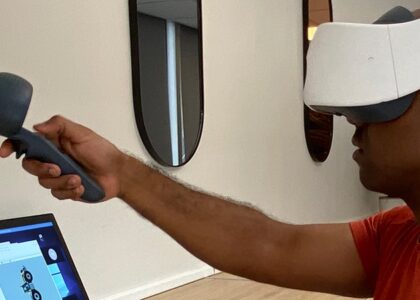
Getting an efficient immersive experience has become prerequisite for industrials that want to work on their 3D data while having a realistic vision of their project. When visualized in a VR system, the 3D model turns into a virtual prototype that can effectively help companies improve their product design processes for example. If your business is using a 3D software such as Catia, Solidworks, NX, Pro/E, CAD/CAE software or any other professional 3D application, then everything will become very simple.

[SAVE THE DATE] Discover collaboration in AR and our latest innovations in VR
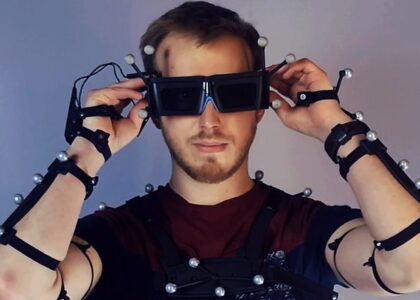
What if learning could be different? Since the Covid-19 crisis, many industries have adopted virtual
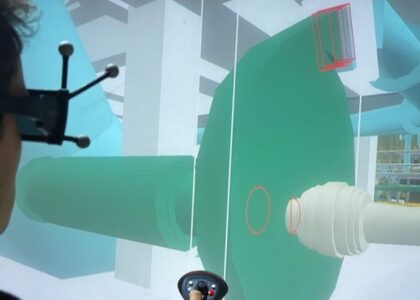
Collision detection is an essential aspect of AR / VR simulation. Does this new Ikea sofa you have an eye on really fit into that funky-shaped corner of your living room? This really is the question you would like answered when using the AR app on your tablet. Well, sometimes other industries have the same question when fitting machine-tools in factories.