[ProXR2025] the future of VR for professional use
A few years ago, there was a lot of hype around Virtual Reality. 2016 was
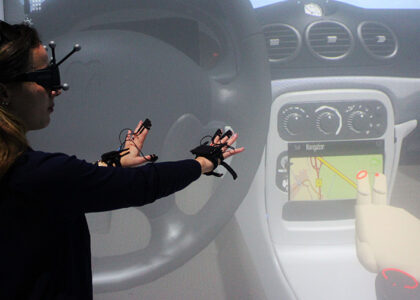
The automotive industry is a fast-paced sector which continuously adopts technologies that powers their digital transformation.
Many opportunities and challenges were brought by Industry 4.0 to the manufacturing industry. The new
19th century, first taste of Virtual Reality As surprising as it sounds, the roots of
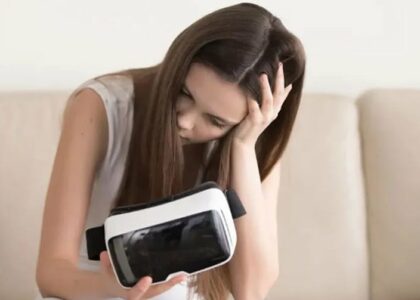
Companies are relying on virtual reality (VR) more and more for business use. However, finding your way through the market offering of Head-Mounted Displays (HMDs), which is the fancy word for headsets.
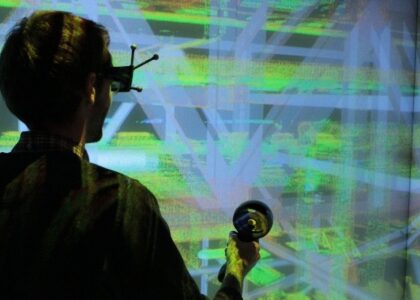
Generally produced by laser scanning (LiDAR) or photogrammetry, a point cloud is a set of points in space,. Depending on their density, these points help you visualize the external surfaces of objects or environments, as they enable to have a 3D reaslistic representation of an existing environment.. Therefore, they are often used in the construction industry, along with BIM models.
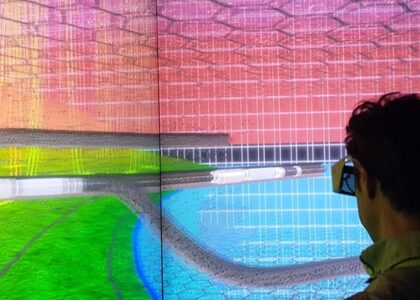
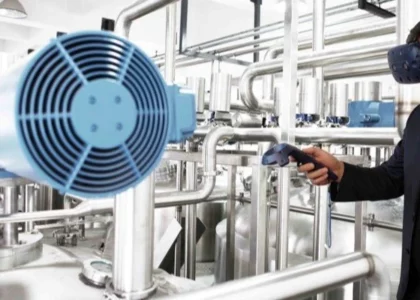
It has become quite common for industries to rely on 3D models to design their products. Things get more complicated when it comes to process-design. VR takes manufacturing a step further, making it possible to visualize or simulate assembly process, maintenance scenario or quality control. Virtual reality offers many benefits for manufacturing.
Interaction between the physical and the digital world is an important technology for industries. With